
Chapter 1.5
Why safaris of the commoners are necessary

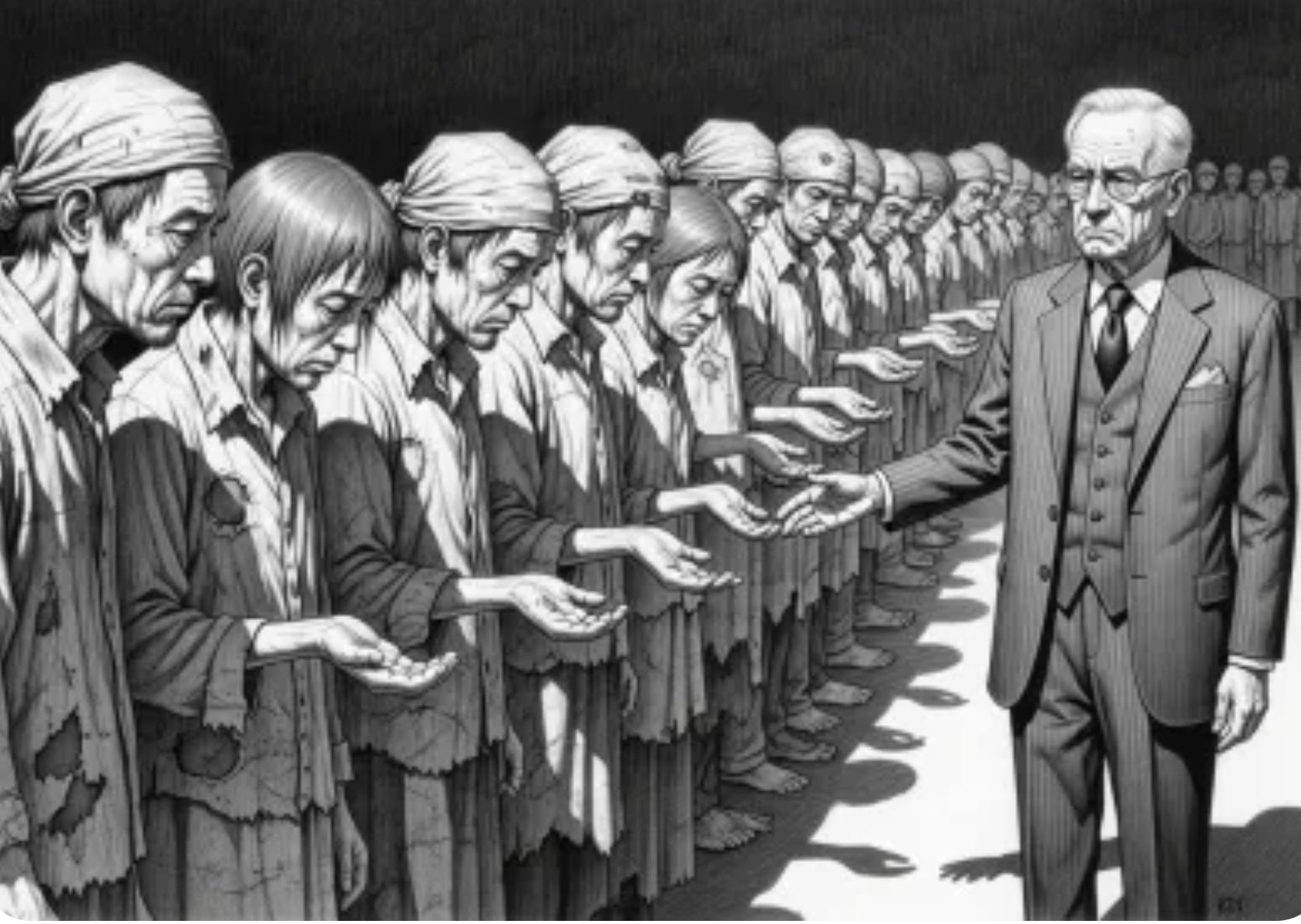
So a safari of the commoners is what is possible, and a safari of the commoners is what the President takes. It is all stop-and-go and impromptu and disheveled, but it soothes his aches and sates his hunger. The president is himself, was himself, an ordinary man, and it is necessary for him in a possibly-biological way to reconnect as best he can from time to time with his tribe. The exigencies of the man’s job keep him at a thick and stale remove from the public, and the distance drives him mad. It is a torture, a tragedy. The president loves to be with his people, and the reason is that he loves them; because he loves them, he accepted power; because he accepted power, he cannot be with them. Not in any genuine sense! To be sure, the President is on a nearly daily basis welcoming to the palace this delegation or that, or else traveling somewhere to award a medal or cut a ribbon or give a banquet speech. But these events and the encounters they permit are not and never could be satisfying to a man who feels toward his nation as does a man toward his wife. The President wants intimacy and grit. Truth. His desire is to help, but to help he needs to know exactly to whom they belong, these lives he means to aid.
However. When people come to see the President at the palace, or when they receive him at their homes — or at their places of work, of leisure, of worship, of healing — they are simply not themselves. They are uncomfortable. Their clothes are too clean, their spines too straight, and they are afraid to show their teeth. They are afraid to laugh! Almost to speak. The President finds himself talking to farmers who say they don’t know much about farming, tailors who insist that they know little about clothes, mothers unwilling to claim any special experience in the raising of children. Tell me about yourself, the President says to these people. Tell me about your life. Tell me what it is like, out there in the country. People nod politely. They bob their heads up and down, as if Yes were a possible and appropriate response to such prompts. They press their lips and smile, and although the President never seems quite to grasp the fact, what these smiles mean is that their owners hope the time has come when they will be permitted to slip away, to leave, to exit the center of the President’s attention. It is not that they are afraid of the man, these people; no. That is not it, exactly. But power, like light, can be difficult to look at directly.
Therefore, in order to catch the people of Palatiparvopolis unawares, we visit and lurch through the Old City. Which, yes, the visiting and the lurching could probably take place more or less anywhere in town. But Old Palatiparvopolis, as I say, is where the world comes up most flush against the windows, and so that is where we go. Nothing is perfect, however. No place. The President is never going to be able completely to surprise his citizens. His automotive retinue is large and loud and visible, and therefore by the time we reach whatever particular block or corner or face, the people on that block or corner, the person with that face — they are already going to have seen a dozen cars and motorcycles roll past. They are going to know that someone important is approaching, and they are not, as a result, going to be at their most relaxed when we arrive. People have usually, by the time we reach them, ceased to do what they were doing in quite the natural and unthinking way they were doing it before.
But the show is better than you’d think. As the cobblestones thump beneath us we see Palatiparvopolians glancing up from drinking coffee, eating chocolate, grilling chicken, stirring soup, making change, walking dogs, riding bicycles, chatting in doorways, checking the mail – the tourists we ignore, obviously; there is nothing to be learned from tourists — and there remains, always, about all of these fine citizens, and notwithstanding our presence, at least a little of that glorious sheen, so elusive to a president: the gleam of ordinary life being lived ordinarily, right up in front of your face.
BS"D
Curious. Would read more.
Happy New Year to you, too. 5786, I believe (I may have lost count again).
Oh, good. You are cranked back up again. I've been waiting and watching. A good sign for any writer. :))